


Through Eternity Tours - Audio Guides
Pisa City Tour: Beyond The Leaning Tower
Pisa City Tour: Beyond The Leaning Tower
- 1 Hour 30 Min
- 52 Stories
- 2.60km / 1.61mi
- 13 Stops
Couldn't load pickup availability
Follow Clio Muse in the streets of Pisa, the exquisite town of Italy known for its Leaning tower. However, the city has so much more to express and showcase apart from its world-renowned Leaning Tower. Take a step and Clio Muse will be your faithful guide in your new city adventure.
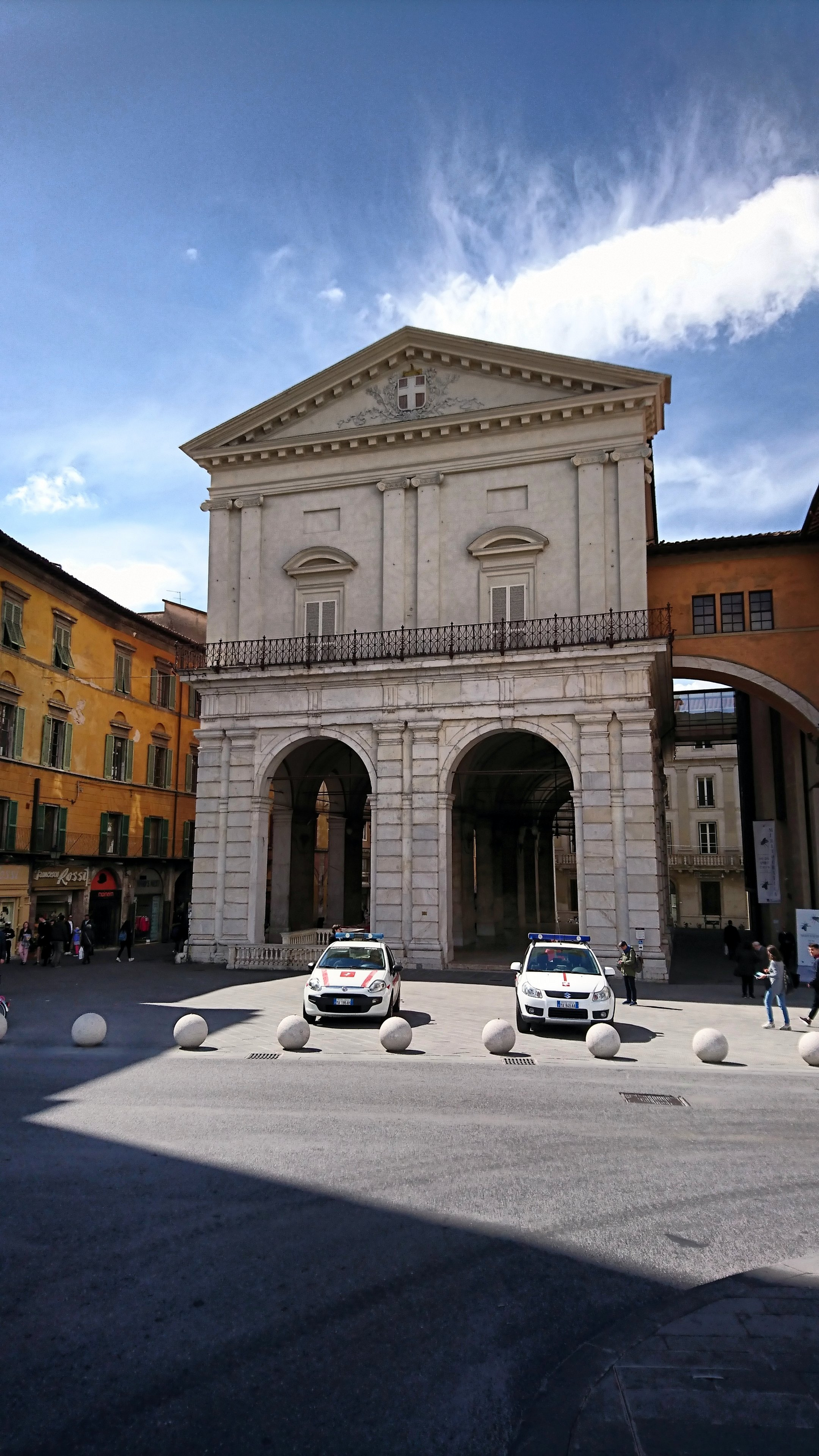
Waltz in the city of Pisa with a self-guided audio tour on your phone designed by an accredited expert. Listen to fascinating stories, based on an award-winning storytelling concept, and gain great insights into the most iconic landmarks of Pisa. Start your tour from the Piazza Vittorio Emanuele II and continue to meet Piazzetta Keith Haring, the Santa Maria della Spina Church, get acquainted with the Palazzo Blu and be fascinated by the Logge dei Banchi.
This is an unmissable opportunity to experience at your own pace the city tour of Pisa with a captivating audio tour on your phone.
* * Ticket/entrance fee to any museum, archaeological site, or church is not included.
Share


Details
✅ Inclusions and 🚫 Exclusions
Inclusions
✅ An activation link to access your audio tour
✅ Self-guided audio tour for your smartphone (Android & iOS) in your selected language
✅ Offline tour with an offline interactive map to avoid roaming charges
Exclusions
🚫 Entrance fees to the sites
🚫 Live Guide
🚫 Smartphone or headphones
🚫 Food and drinks
🚫 Transportation
🚫 Hotel pick-up and drop-off
📲 What You'll Need
🎧 Charged Android or iOS smartphone
🎧 Earphones or headphones
👟 Comfortable walking shoes
📍The Location
📌 Address
Palatine Hill, Via di San Gregorio, 30, Rome
🚶 Starting point
Entrance to the Palatine Hill (Via di San Gregorio, 30)
🗺️ Areas Covered
🏛️ Domus Augustana, Domus Flavia, House of Livia, Farnese Gardens, Stadium of Domitian, Hut of Romulus, Palatine Museum (exterior), Overlooks of the Roman Forum and Circus Maximus
🚍 Transportation Tips
🚇 Metro:
Line B to Colosseo station — a short walk to Palatine Hill
🚌 Bus:
Use lines stopping near Piazza Venezia or Via dei Fori Imperiali
🚖 Taxis and Ride-Sharing:
Ride-sharing services like Uber operate in Rome, though availability may vary in the historic center.
🚶 Walking from the City Center:
Easily accessible on foot from the Colosseum, Roman Forum, or Capitoline Hill
🕒 Important Sight Info
⏰ Opening Hours:
Tuesday to Sunday: 9:00 AM – 6:00 PM
Closed on Mondays
🎟️ Additional Admission:
Full price: €17.50
Reduced (EU citizens 18–25): €3.00
👍 Recommended Visiting Hours
✅ Best times to visit are early in the morning (9:00–10:30 AM) or late afternoon (after 4:30 PM) to avoid peak crowds
✅ Weekdays are generally quieter than weekends
✅ For beautiful views from the terrace, visit just before sunset
💡 Know Before You Book
📱 This is a downloadable self-guided audio tour — no live guide, VR, or AR included.
📍 Entry ticket must be purchased separately
🎫 Book per device, not per person
❌ Non-refundable once activated
📩 You’ll receive an email from booking@cliousetours.com with download instructions — check spam folder
📲 Requires Android or iOS phone with 100–150 MB free space
🚫 Not compatible with Windows phones, iPhone 6/6 Plus or older, older iPads, or iPod Touch 6th gen or older
📌 Know Before You Go
📶 Download the tour in advance—no internet needed during use.
⚠️ Internet access may be limited — offline use is recommended
🎧 Use headphones for the best audio experience
🔋 Make sure your smartphone is fully charged before your visit
🛃 All visitors must go through security screening
♿ Not all areas of the monument are accessible for wheelchair users
🧳 Large backpacks and bulky bags are not allowed
Story Preview 📄
"The Father of Italy"
The statue depicts Vittorio Emanuele II, the father of the fatherland, as he used to be called. He was named King of Italy in 1861, a country united under a single sovereign for the first time since the sixth century.
Local legend has it that in 1892, when the statue was unveiled to the public in the presence of his son, King Umberto I, a collective smirk was noticed on the faces of the assembled crowd. They observed the long feather added to the helmet of the bronze figure.
The goal of the sculptor, Cesare Zocchi, was to make the figure appear more elongated since the king was, how to say this, a bit chubby.
Despite his physical appearance, Vittorio Emanuele, who died in 1878, was an emblematic monarch who unified the country and made Rome the capital once again.

Meet Your Guide: Benedetta Geddo
Professional
A journalist for Lonely Planet Travel News, a writer for Bossy Italy with an overflowing love for art, travelling and Korean pop music. I write about all those things that attract my attention from Italy and abroad.
- Find me on Instagram @beegeddo
- Freelance Travel News Reporter @Lonely Planet News
- Author @Bossy Italy